
We improve the thermal insulation of facades by blowing insulation into the air cavity. This minimally invasive procedure reduces heat exchange with the outside without requiring major construction work.
Request a technical visit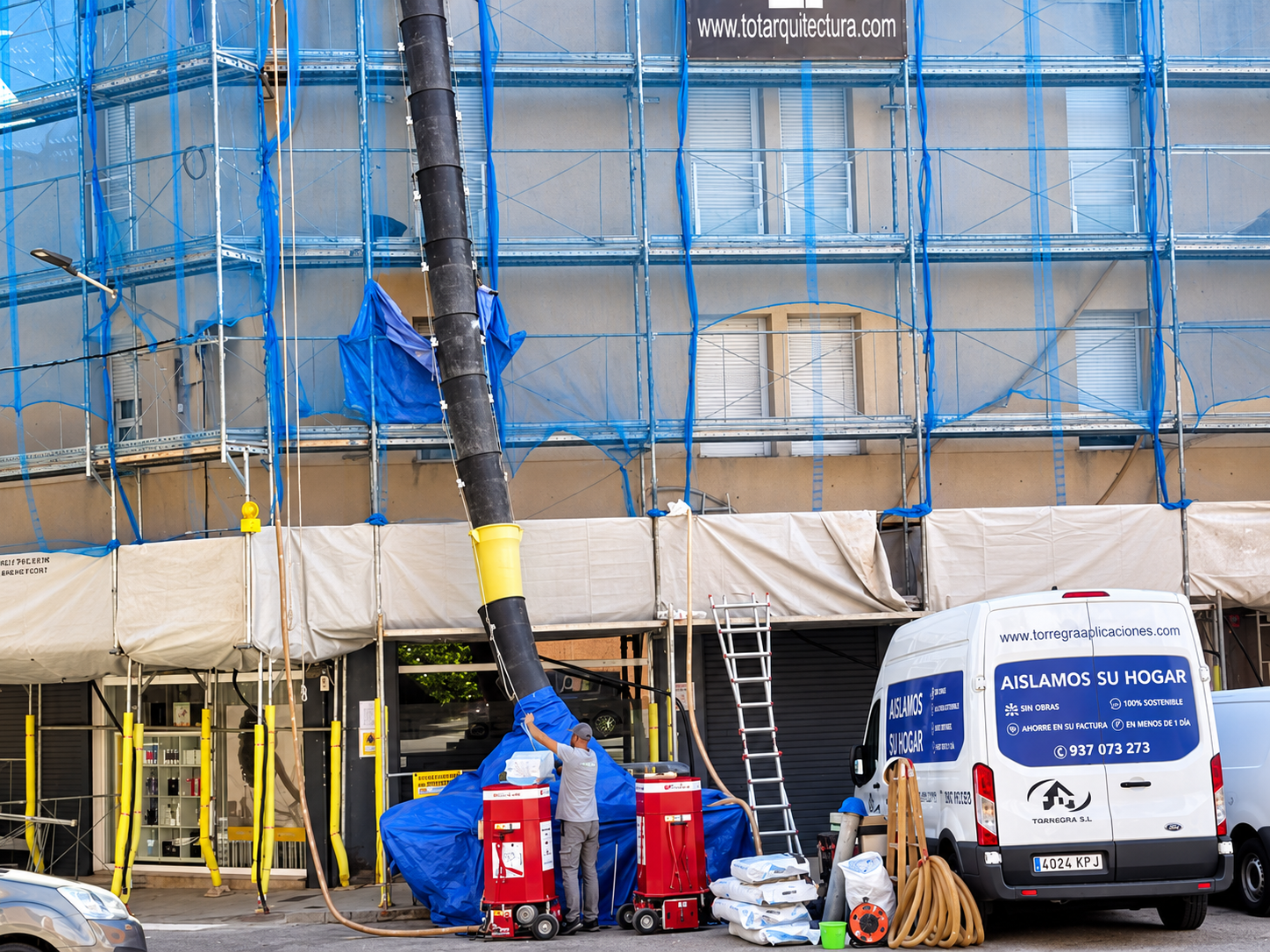
Blown-in Thermal Insulation
The facade separates the interior of a home from the outside environment and has a significant influence on its thermal performance. When the facade has an empty air cavity or insufficient insulation, heat loss can increase in winter and heat gain in summer. At Torregra, we first check the facade’s construction and whether its cavity is suitable for blown-in insulation.
We inspected the facade camera with an endoscope before recommending intervention.
We access the chamber through small perforations that are then sealed.
We select the insulation according to the chamber and the actual characteristics of the enclosure.
Based in Viladecans and travel throughout the territory.
A poorly insulated facade facilitates heat exchange between the interior and exterior. Improving the insulation of its cavity can help maintain a more stable indoor temperature, reduce the feeling of cold surfaces, and decrease heating and cooling demands.
INDICATIONS
The interior areas of the facade can feel especially cold during periods of low temperatures.
Rooms can behave differently depending on the orientation and exposure of the facade.
The heating or air conditioning runs for many hours without achieving stable comfort.
Cold surfaces can promote certain types of condensation, although other sources should always be ruled out.
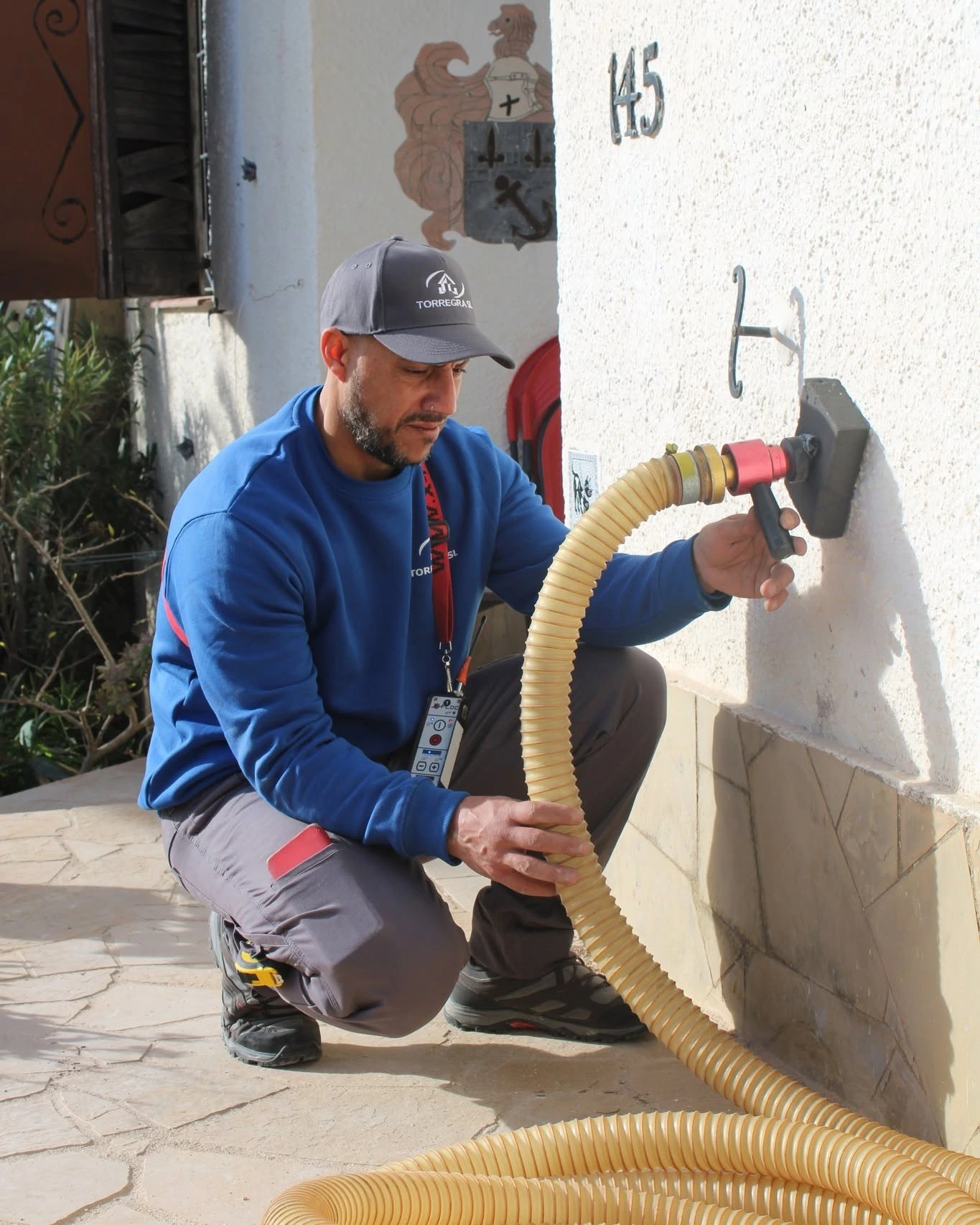
Filling existing air chambers to reduce heat transmission between interior and exterior.
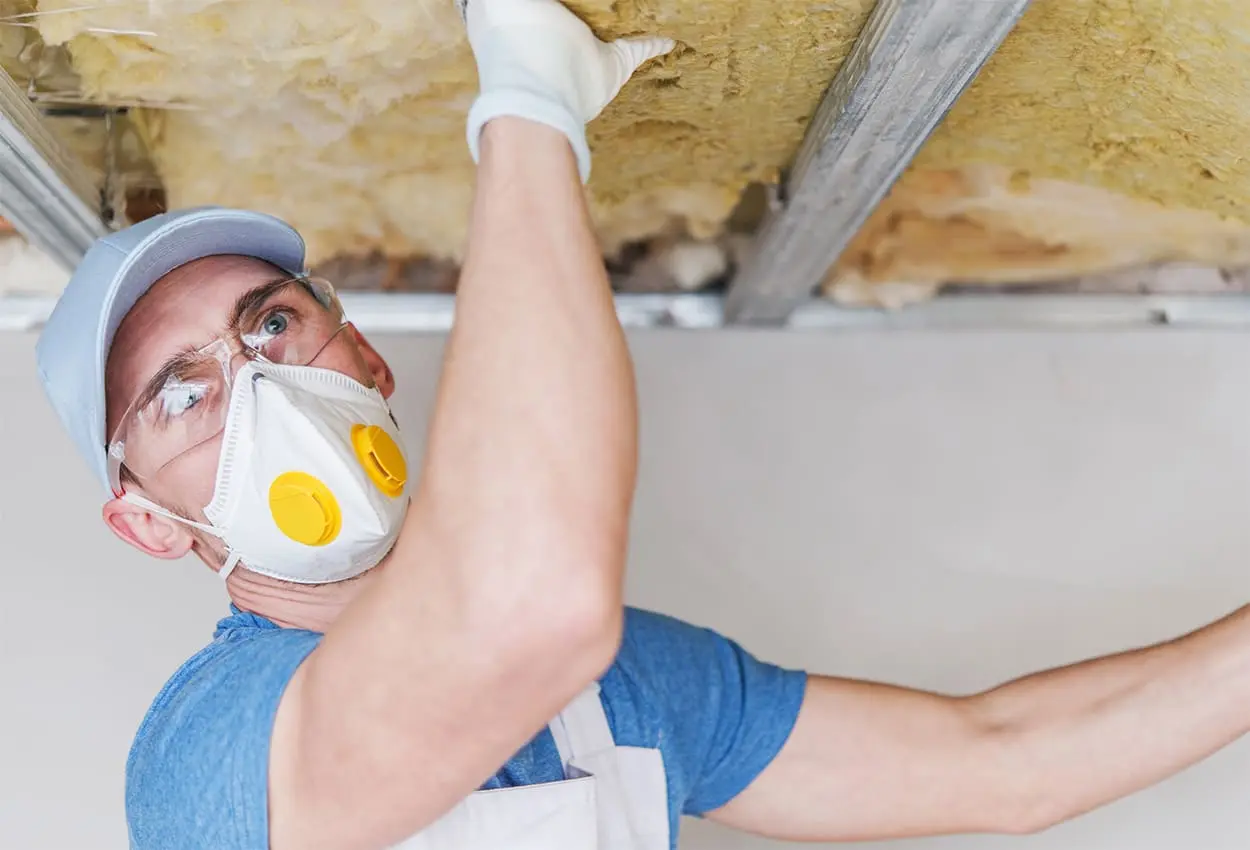
Improved insulation in upper areas when there is an accessible space.
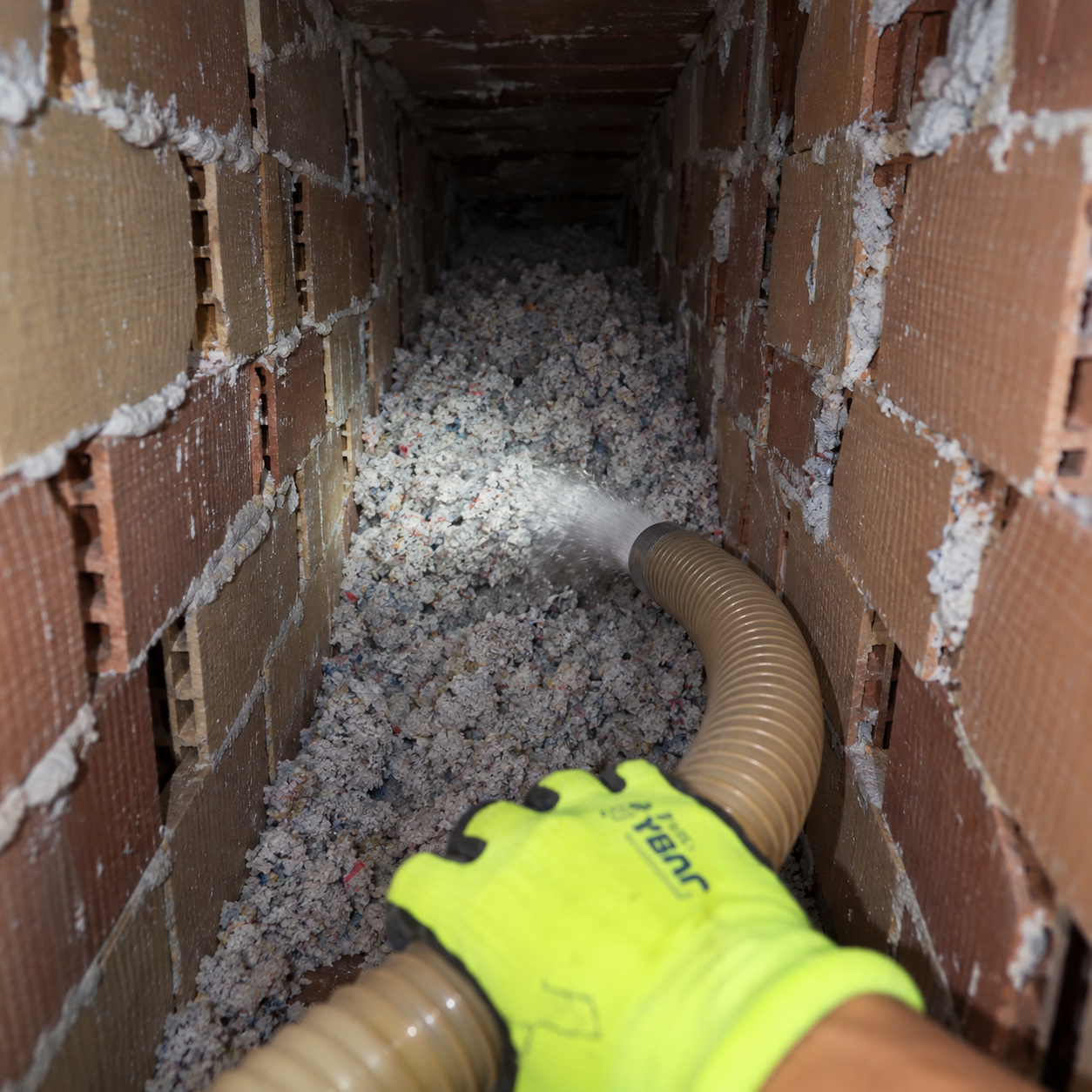
Applicable to certain covers with suitable inner tubes, after prior review of their configuration.
Applications
Blown-in thermal insulation can be applied to walls, facades, false ceilings, attics and certain roofs, provided that the construction is suitable for this system.
Request a technical visitINDICATIONS
The choice of material depends on the thickness and condition of the cavity, the facade configuration, and the required performance. There is no single insulation suitable for all buildings.
Request a technical visit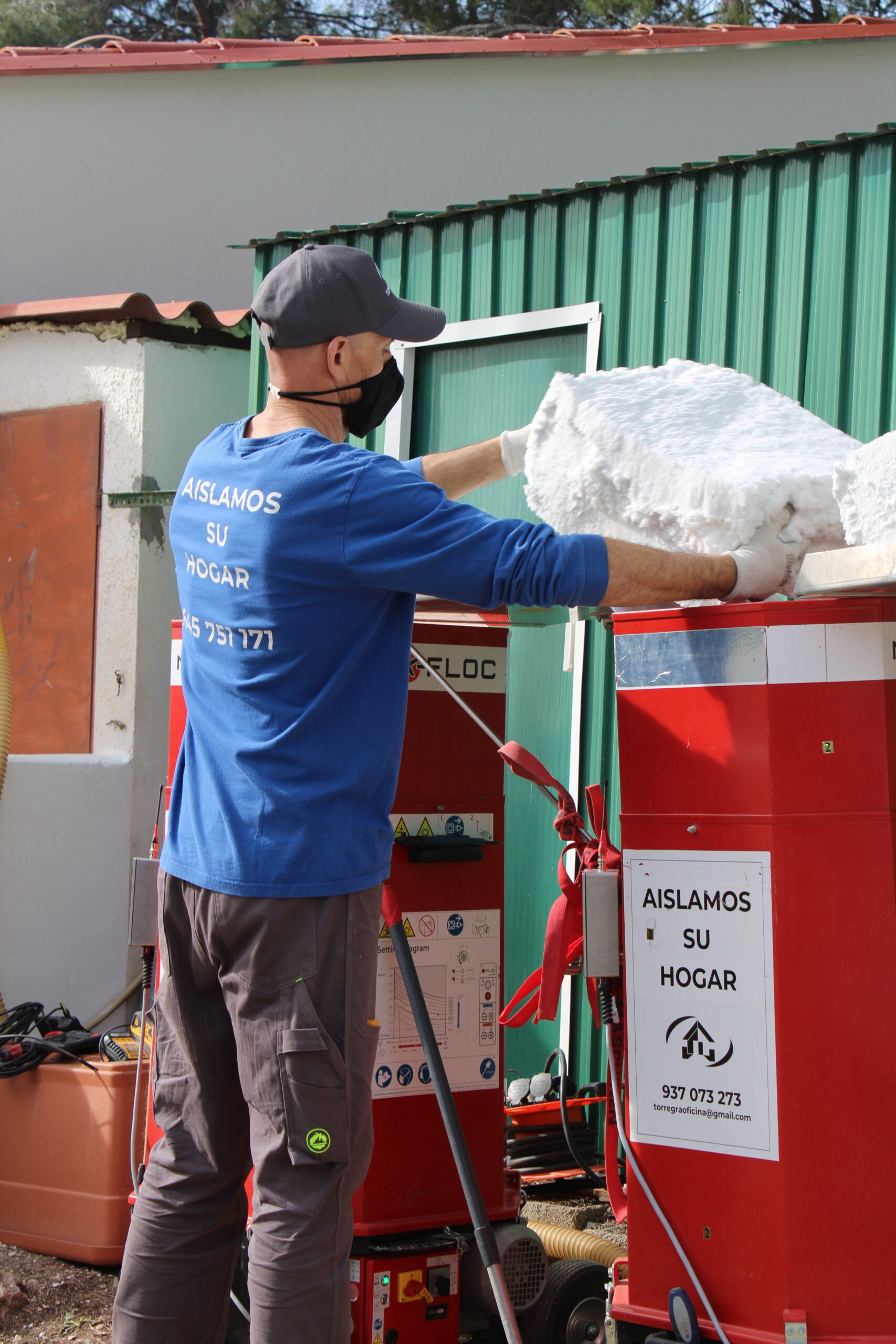
Mineral wool is a high-quality insulating material, known for its ability to adapt to a wide variety of needs in construction.
Ver más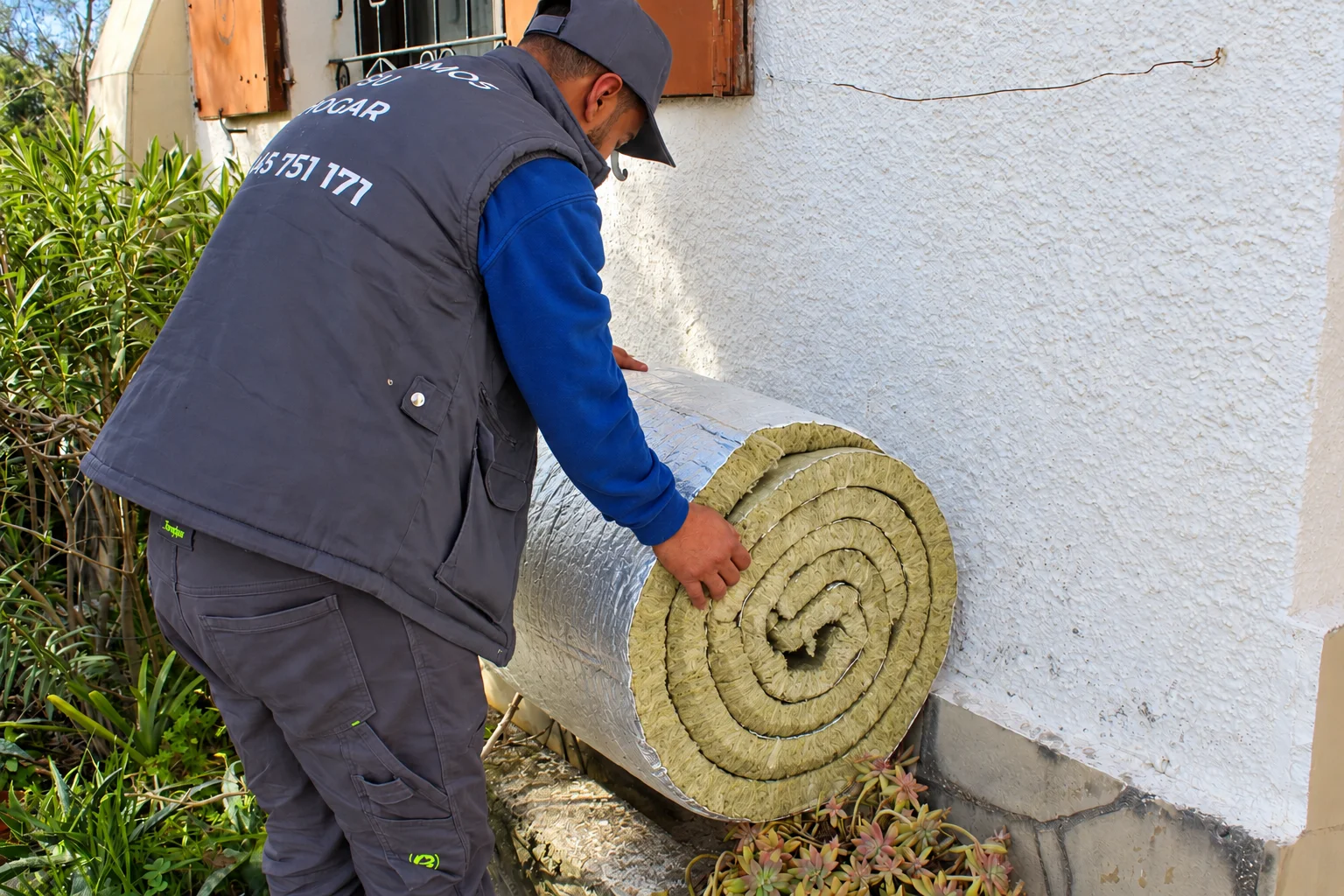
Mineral insulation with good thermal and acoustic performance and outstanding fire resistance
Ver más Cellulose acts as an effective thermal barrier, retaining heat in winter and keeping spaces cool in summer. This helps reduce heating and cooling costs.
Ver más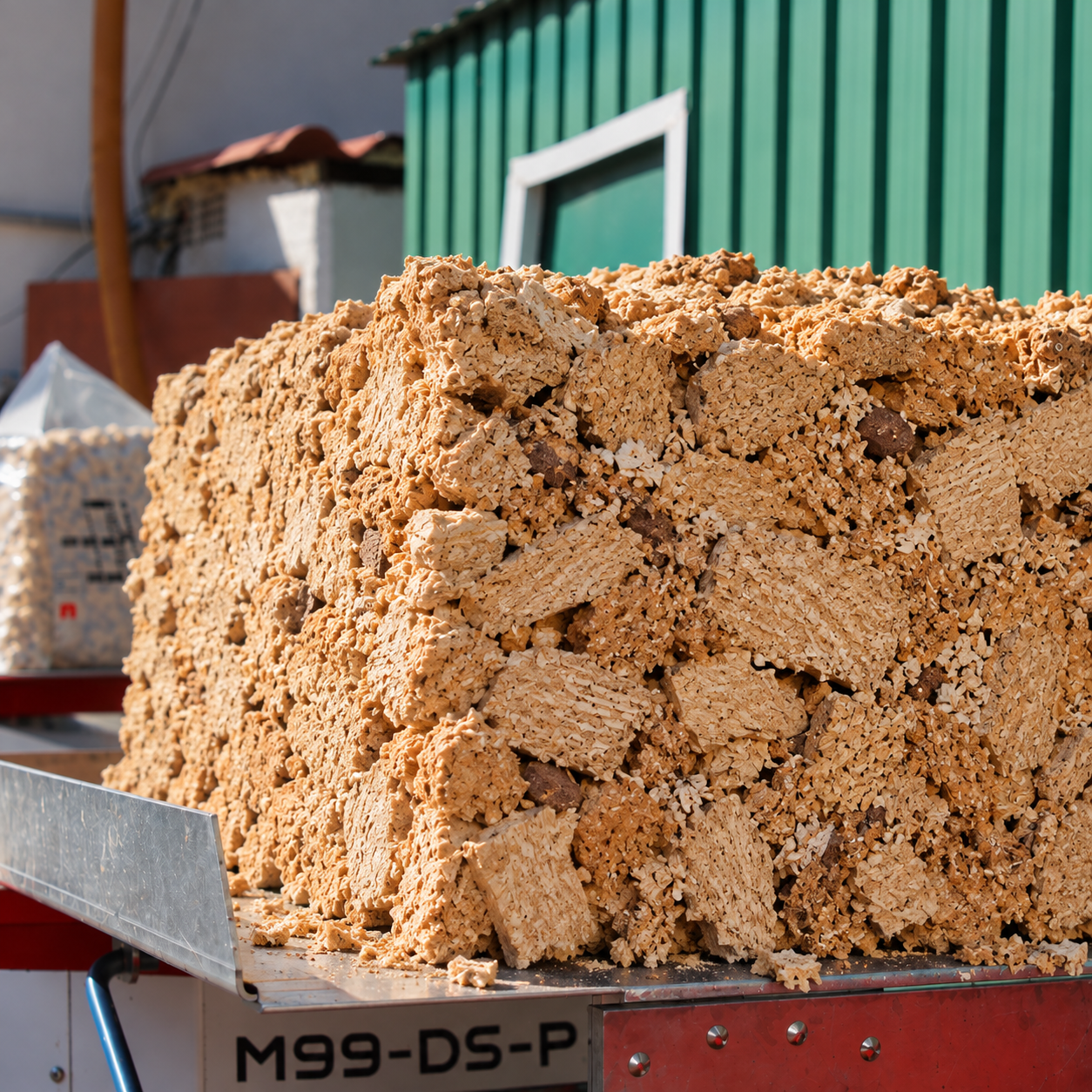
Material of natural and renewable origin, especially interesting in projects that prioritize solutions of this type.
Blown-in Thermal Insulation
As specialists in blown thermal insulation, we adapt each installation to the characteristics of the property.
We analyze the space, select the most suitable solution, and take care of each phase of the process to achieve effective insulation with a quick and minimally invasive intervention.
We inspected the facade chamber to check its condition, thickness, and continuity.
Definimos los puntos de acceso más adecuados desde el interior o el exterior, según el edificio.
We introduce the insulating material until it is distributed evenly throughout the chamber.
We seal the access points with putty or mortar, depending on the area of intervention.
WHY INSULATE YOUR HOME
Improving the insulation of your home translates into greater comfort, higher efficiency, and more controlled energy consumption.
Before preparing a budget, we check how the enclosure is constructed, what condition the air chamber presents and whether blown-in insulation is a suitable solution for that house.
Diagnose before isolating
A poorly insulated facade can create cold interior surfaces and promote condensation when there is sufficient ambient humidity. Improving insulation can raise the surface temperature of the building envelope and reduce these conditions, but it does not replace addressing leaks, rising damp, or other structural issues. Therefore, it is important to identify the source of the dampness before taking any action.
Request a technical visit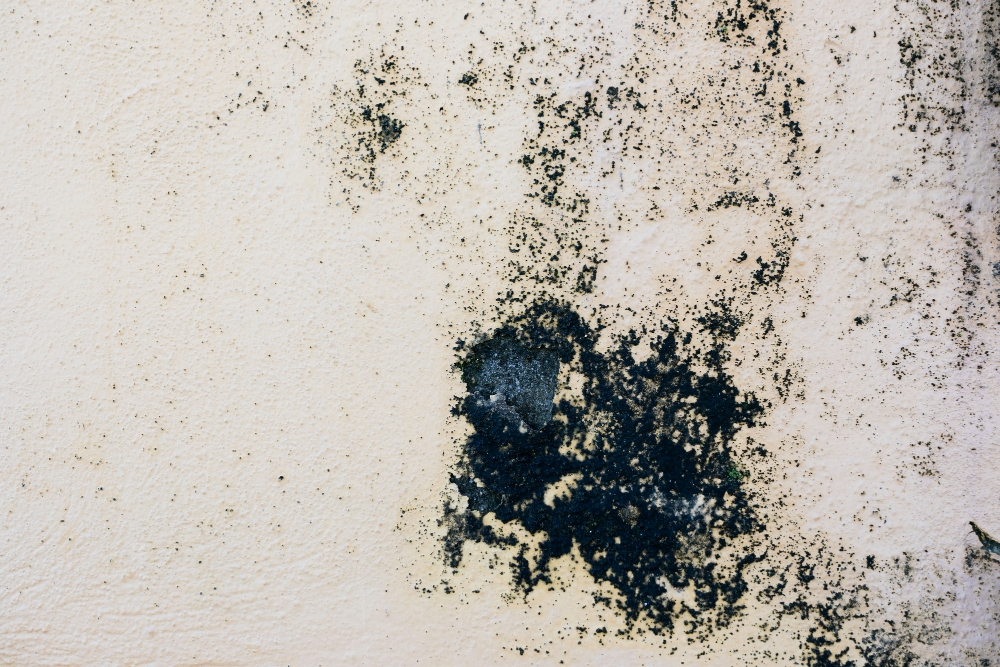
WHERE WE WORK
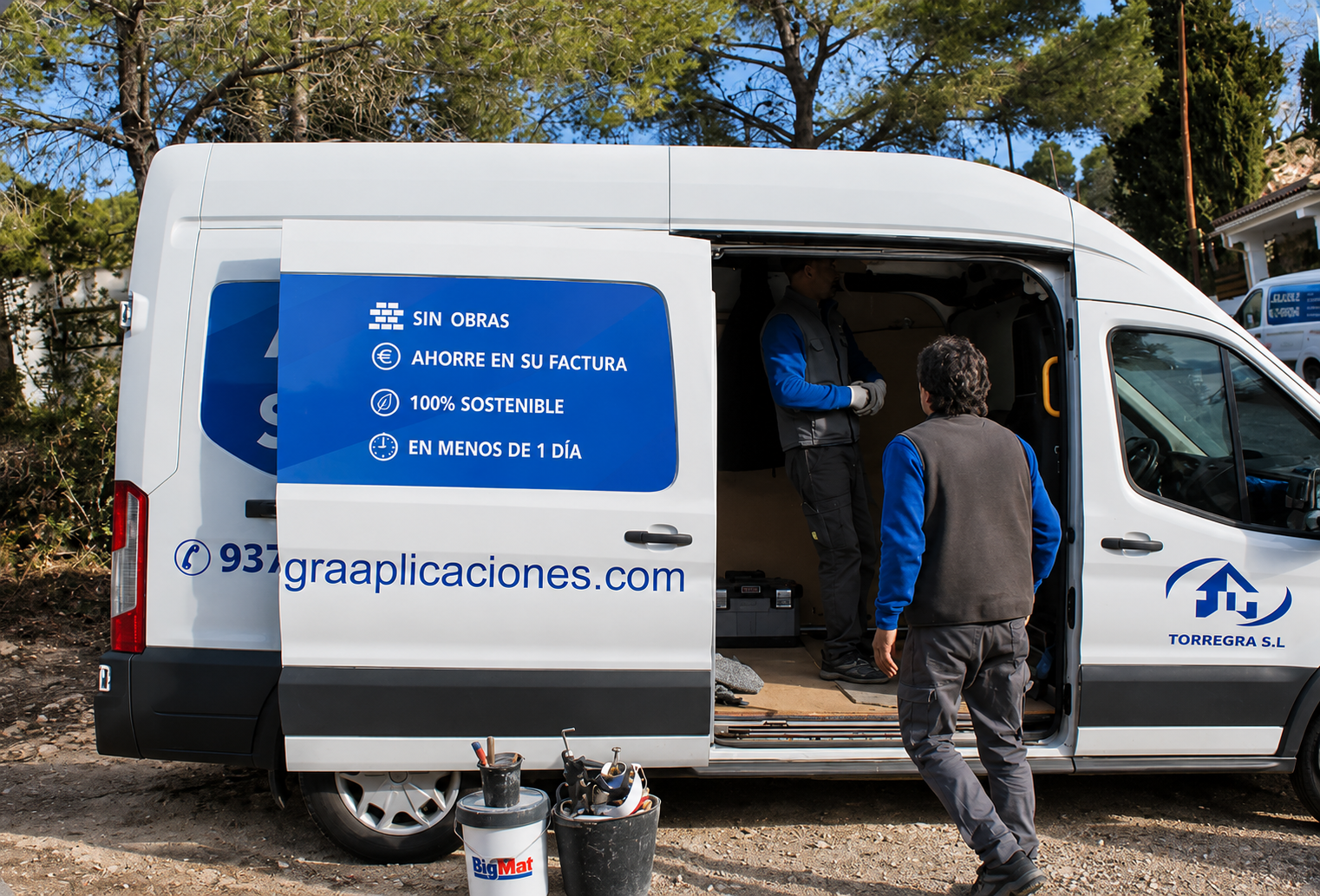
Torregra Aplicaciones is based in Viladecans (Barcelona) and carries out blown thermal insulation work on facades in homes, communities and buildings throughout Catalonia.
Contact us
We inspected the facade chamber to check if it is suitable and to determine which solution best suits the enclosure.