
We improve the insulation of walls and facades by blowing into the air chamber, with a minimally invasive intervention and without major construction work when the enclosure allows it.
Request a technical visit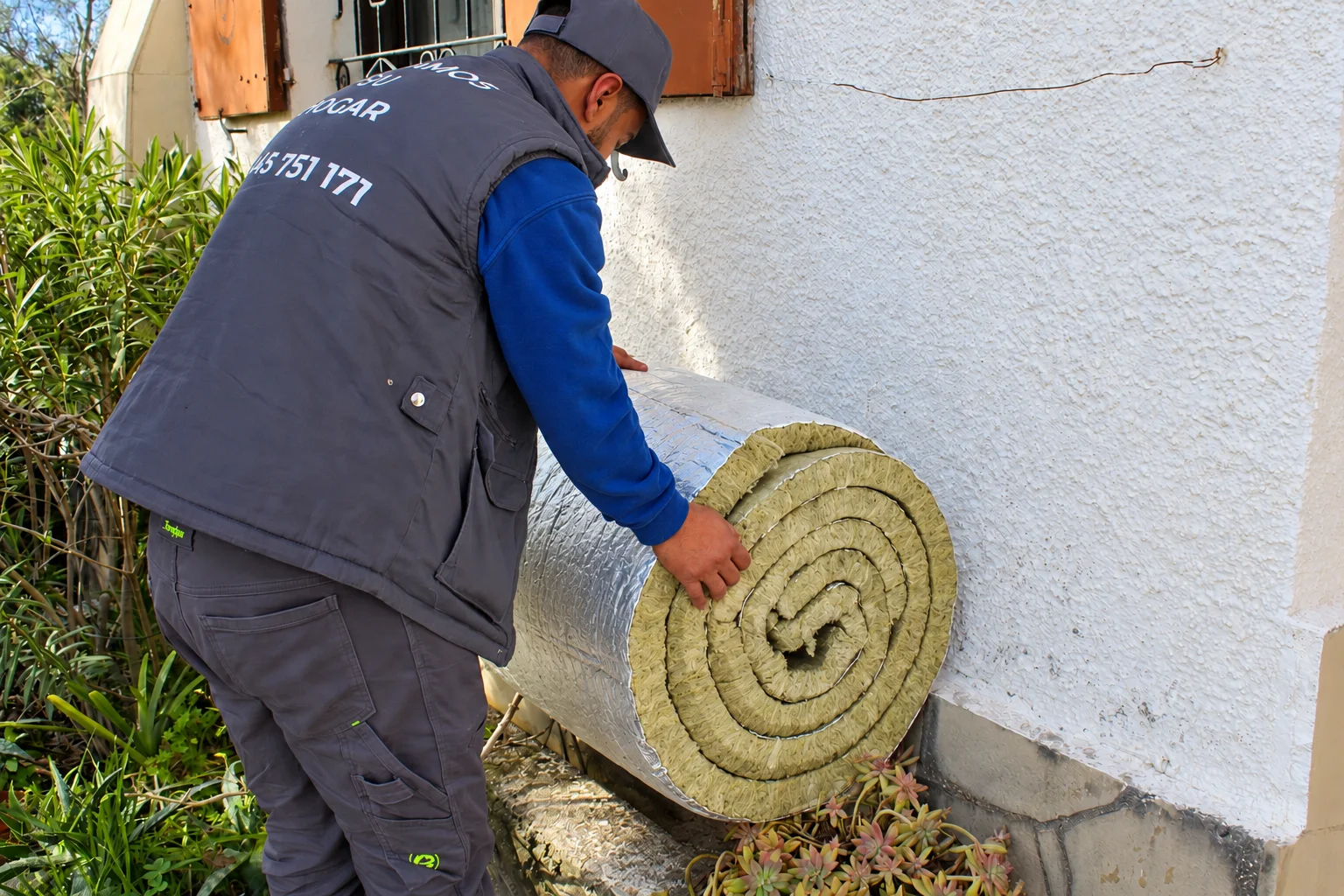
Aislamiento Térmico Insuflado
Walls and facades form an important part of a building’s envelope. When insulation is insufficient, heat exchange with the outside can increase, leading to temperature differences between rooms. At Torregra, we first check how the building envelope is constructed and whether it has a cavity suitable for blown-in insulation.
We inspected the camera with an endoscope before recommending the intervention.
We work through small perforations that are then sealed.
We select the insulation according to the characteristics of each enclosure.
Based in Viladecans and travel throughout the territory.
When exterior walls lack adequate insulation, a home can lose heat in winter and gain heat in summer. Improving the insulation of the building envelope helps maintain a more stable indoor temperature and can reduce the need for constant heating or air conditioning.
Instructions
There is no single best material for all homes. The choice depends on the type of cavity, the building, and the thermal and acoustic objectives of the project.
Solicita una visita técnica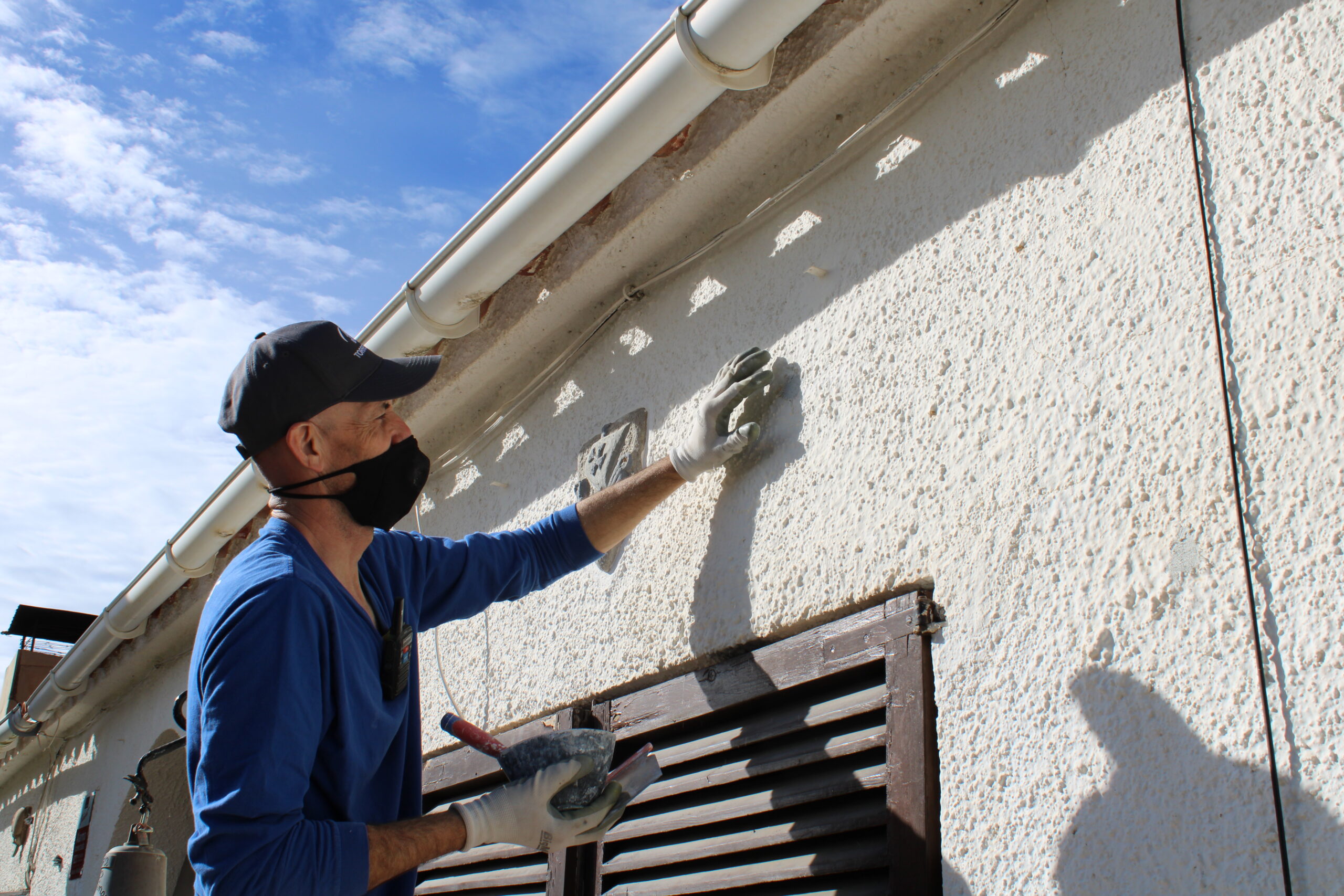
In winter, some exterior walls can feel especially cold, particularly on more exposed orientations.
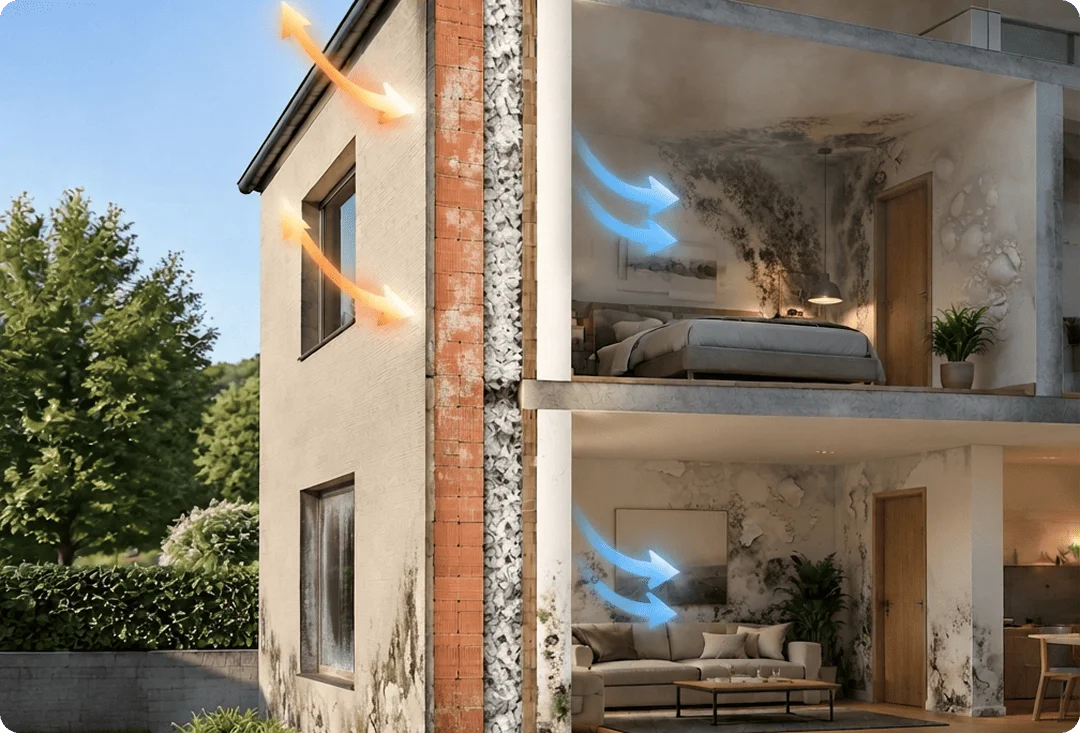
Some rooms are clearly colder or warmer than others depending on their orientation or position in the building.
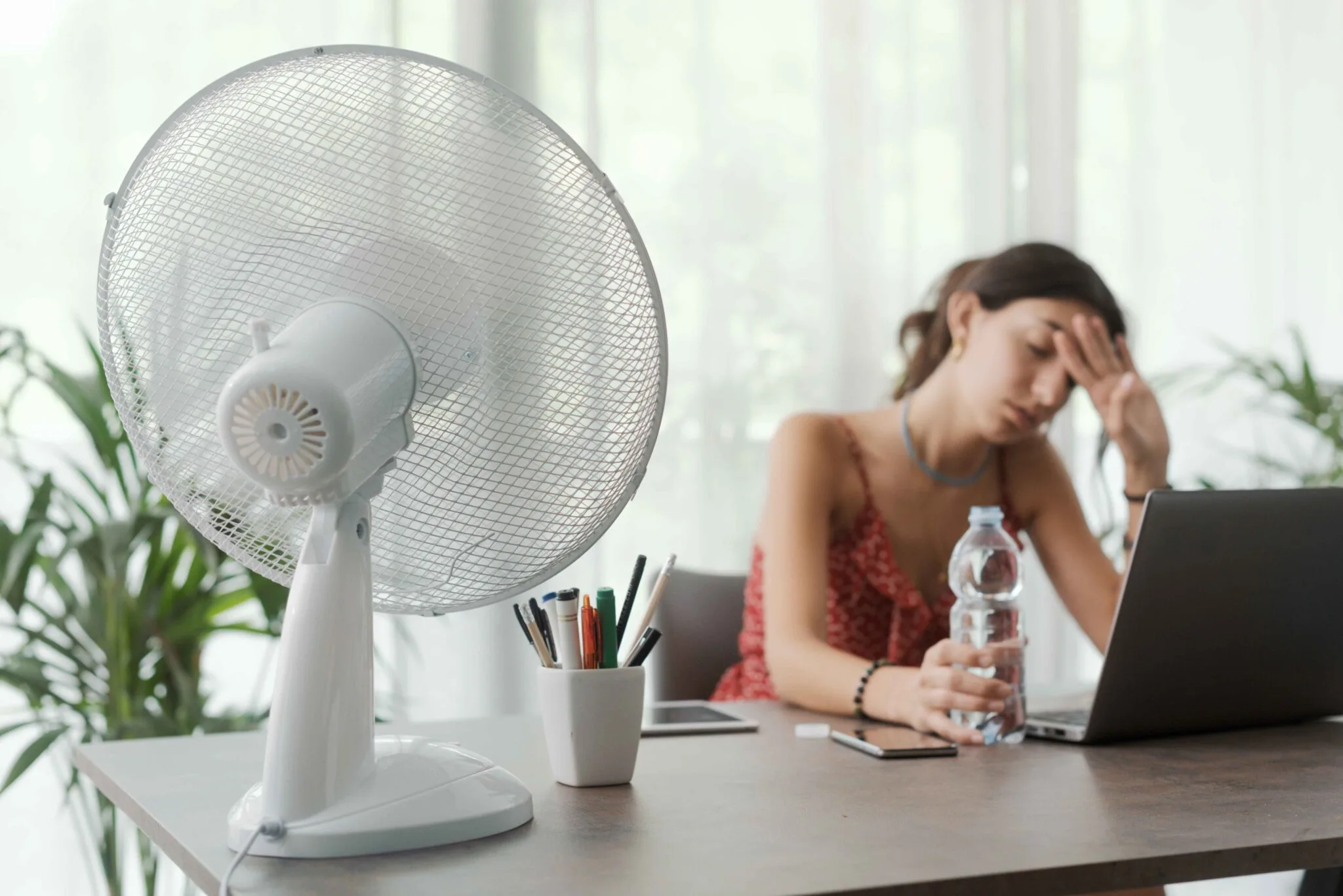
The heating or air conditioning runs for many hours without achieving stable comfort.
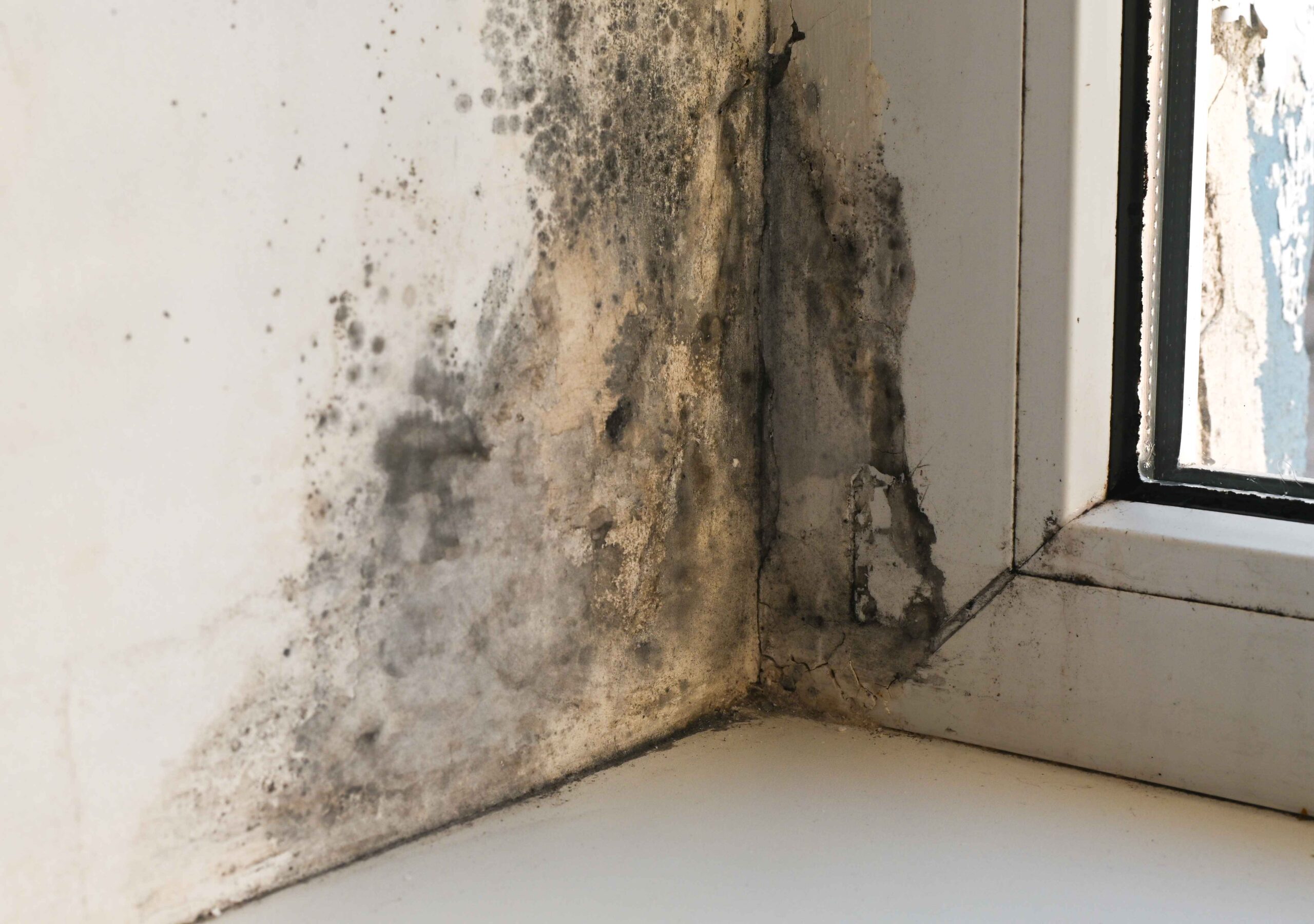
Stains or mold may appear on cold surfaces, although it is important to rule out other sources before attributing them to the insulation.
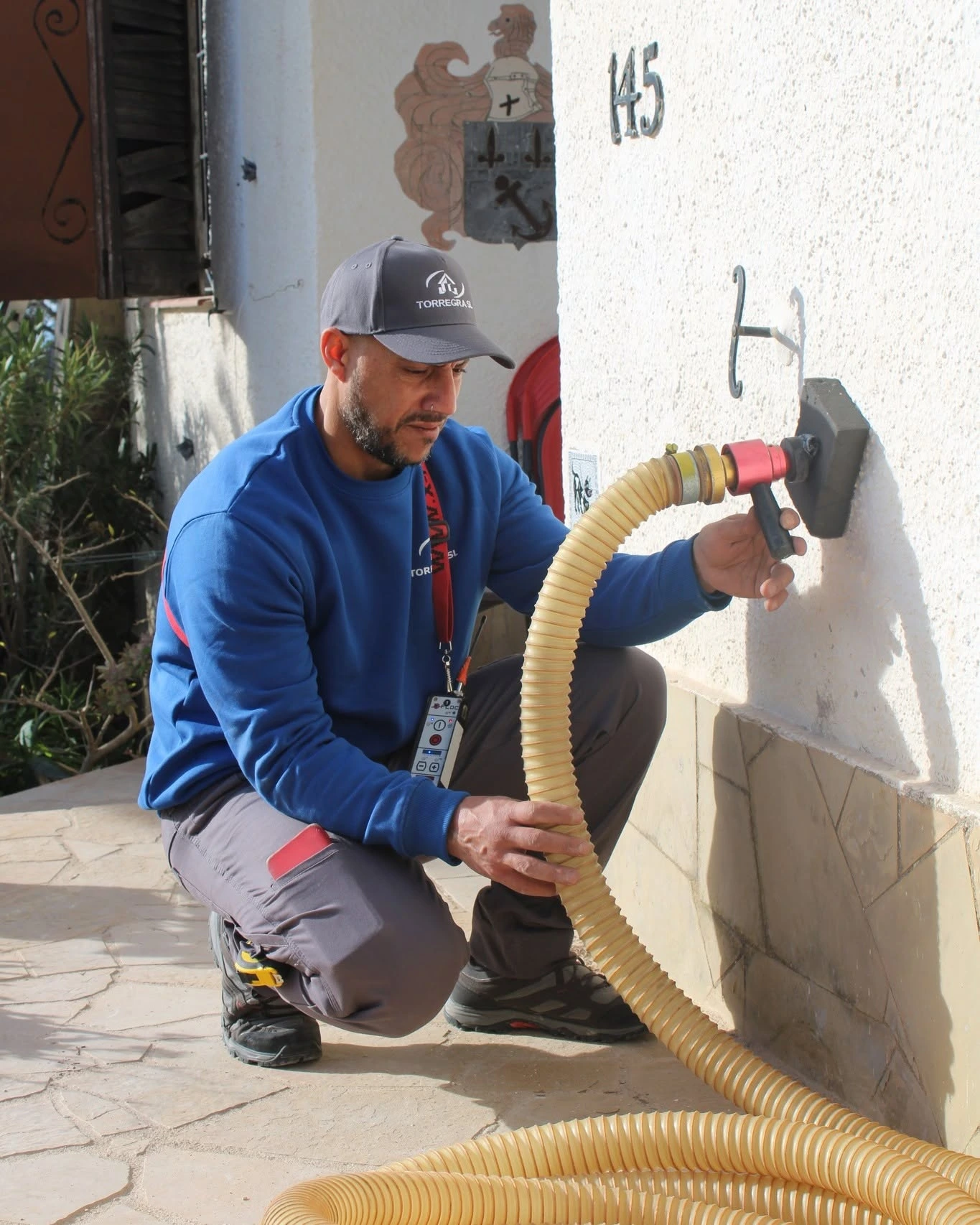
Relleno de cámaras de aire existentes para reducir la transmisión térmica entre interior y exterior.
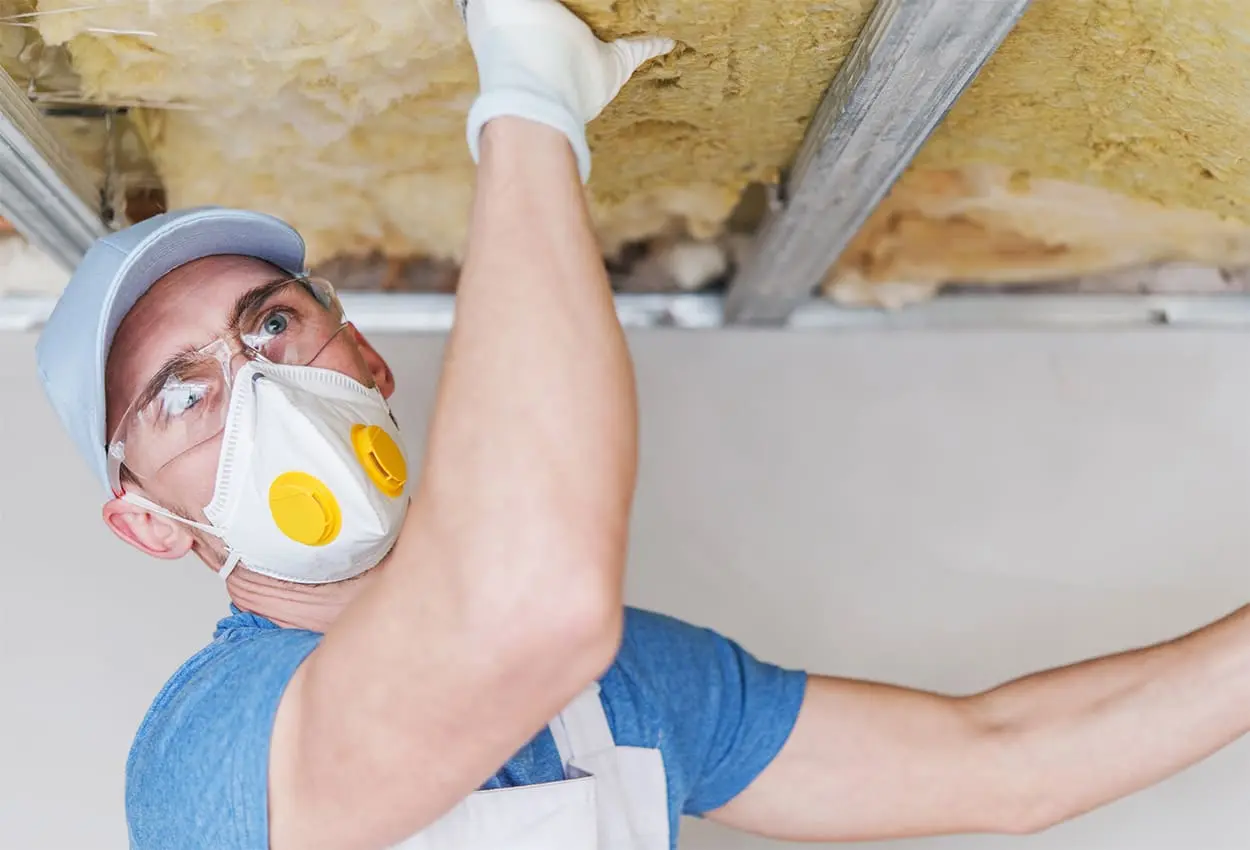
Mejora del aislamiento en zonas superiores cuando existe un espacio accesible.
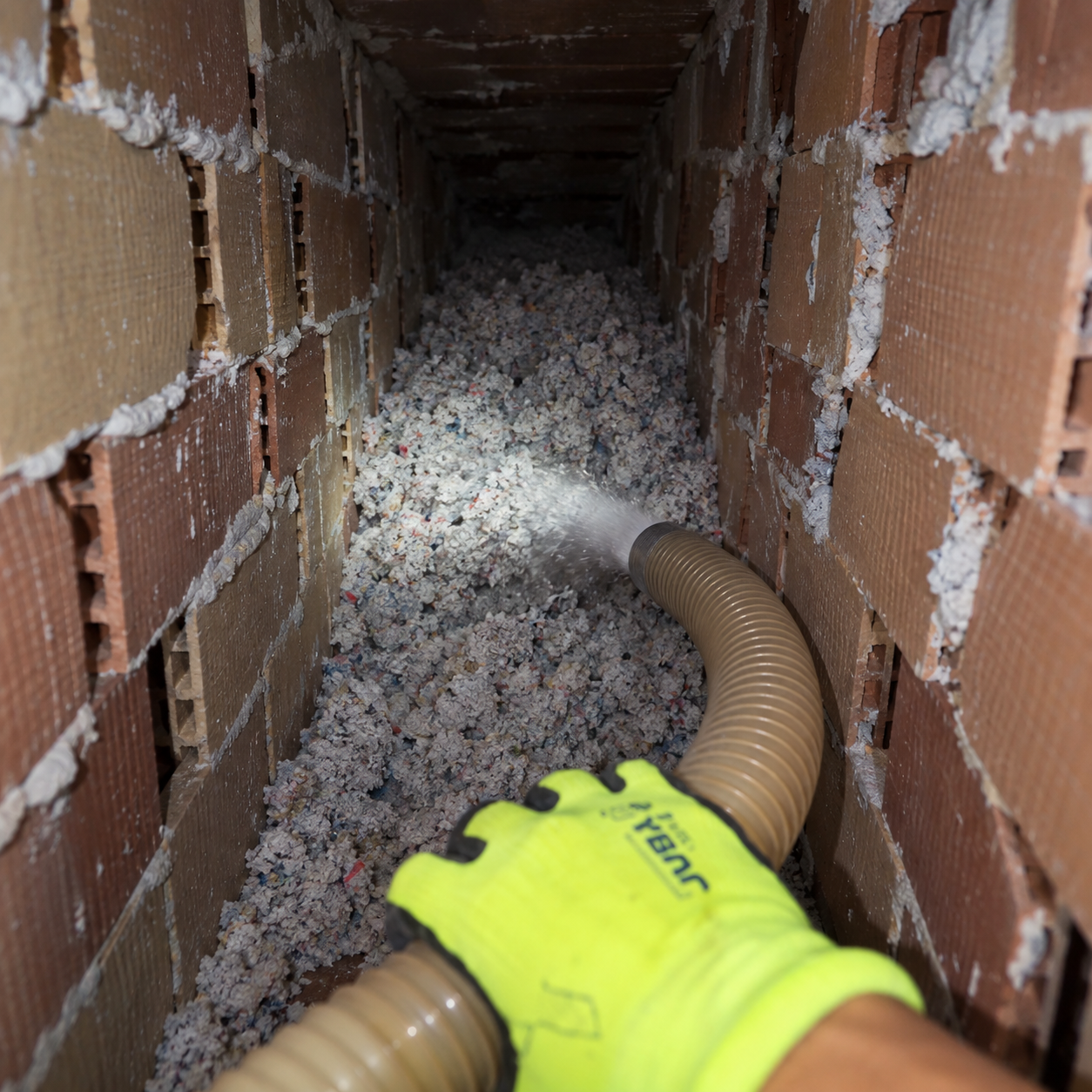
Aplicable en determinadas cubiertas con cámara apta, previa revisión de su configuración.
Aplicaciones
El aislamiento térmico insuflado puede aplicarse en paredes, fachadas, falsos techos, buhardillas y determinadas cubiertas, siempre que la construcción sea apta para este sistema.
Solicita una visita técnicaInstructions
The choice of material depends on the type of cavity, its thickness, the configuration of the enclosure, and the thermal and acoustic objectives of the project. There is no single option suitable for all cases.
Solicita una visita técnica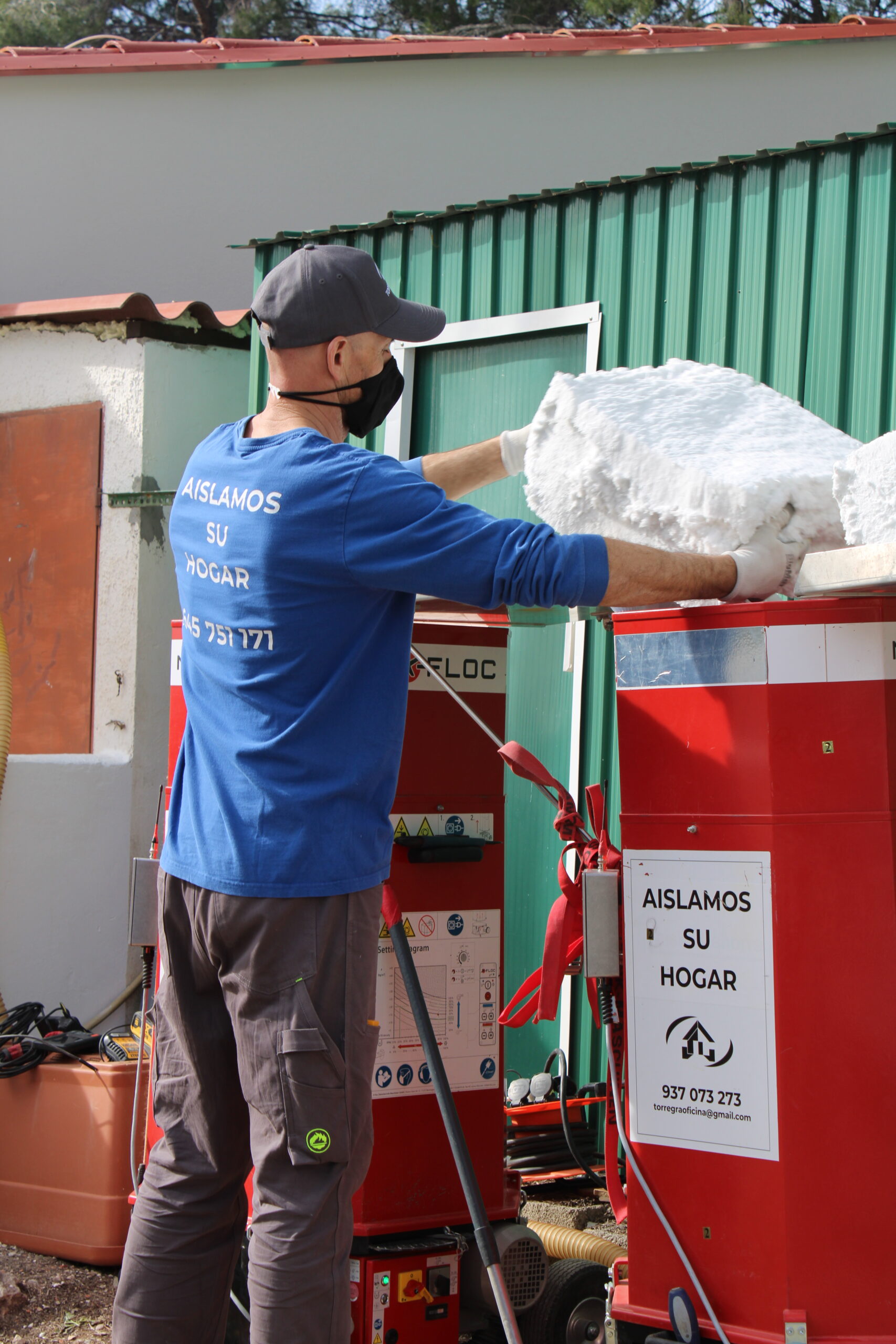
La lana mineral es un material aislante de alta calidad, conocido por su capacidad para adaptarse a una amplia variedad de necesidades en la construcción.
Ver más Aislante mineral con buenas prestaciones térmicas y acústicas y un comportamiento destacado frente al fuego
Ver más La celulosa actúa como una barrera térmica eficaz, reteniendo el calor en invierno y manteniendo los espacios frescos en verano. Esto ayuda a reducir los gastos de climatización.
Ver más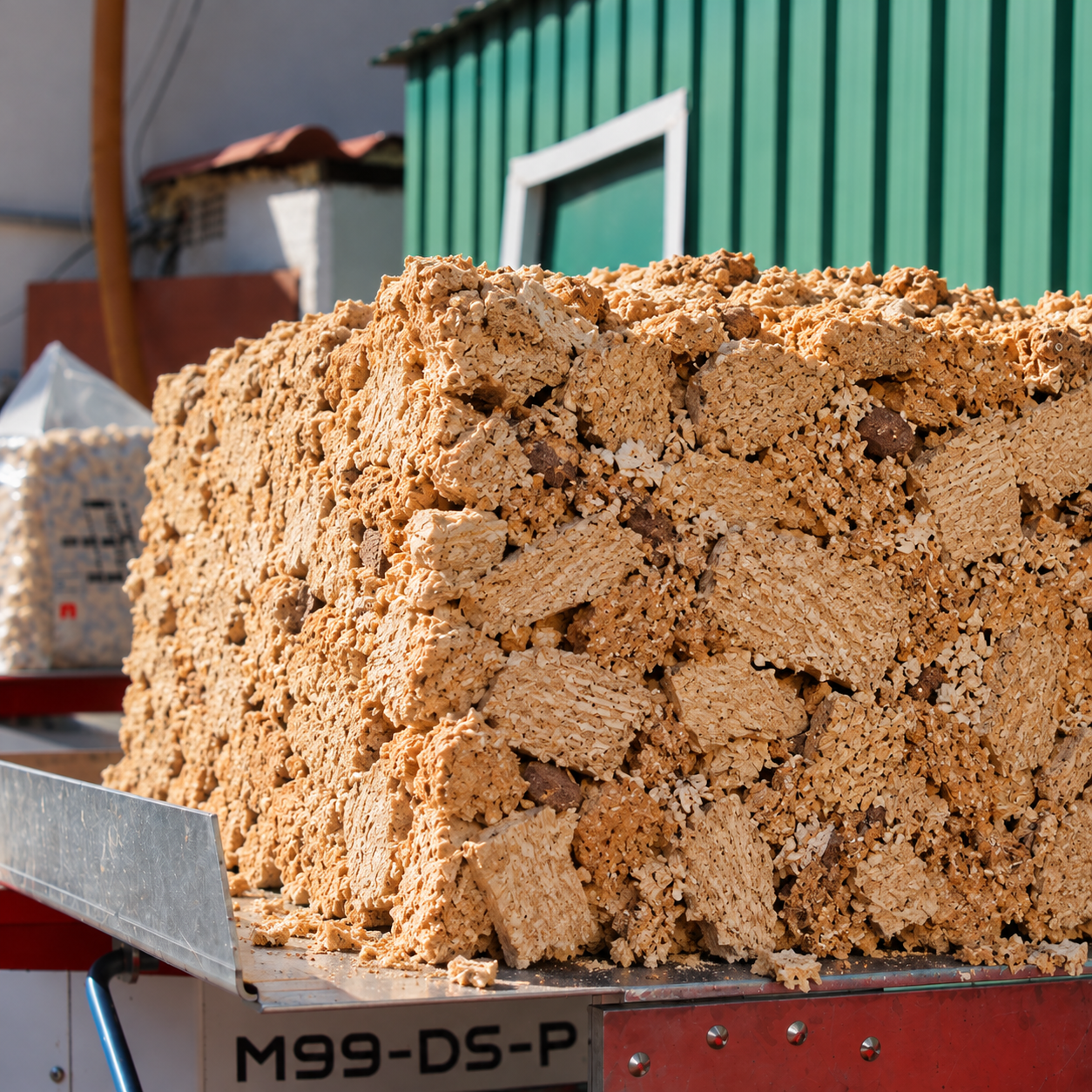
Material de origen natural y renovable, especialmente interesante en proyectos que priorizan soluciones de este tipo.
Aislamiento Térmico Insuflado
Como especialistas en aislamiento térmico insuflado, adaptamos cada instalación a las características del inmueble.
Analizamos el espacio, seleccionamos la solución más adecuada y cuidamos cada fase del proceso para conseguir un aislamiento eficaz con una intervención rápida y poco invasiva.
We inspected the air chamber with an endoscopic camera to check its condition and configuration.
We made small perforations at the necessary points to access the camera.
We introduce the insulating material until it is evenly distributed throughout the chamber.
We seal the access points with putty or mortar, depending on the area of intervention.
POR QUÉ AISLAR TU VIVIENDA
Mejorar el aislamiento de tu vivienda se traduce en más confort, mayor
eficiencia y un consumo energético más ajustado.
Antes de preparar un presupuesto, comprobamos cómo está construido el cerramiento, qué condiciones presenta la cámara de aire y si el insuflado es una solución adecuada para esa vivienda.
Diagnosticar antes de aislar
Not all stains or damp patches on a wall originate from an insulation problem. Improving the thermal performance of the building envelope can help with certain types of condensation, but it doesn’t solve dampness caused by leaks, rising damp, or other issues. That’s why it’s important to correctly identify the source before taking any action.
Solicita una visita técnica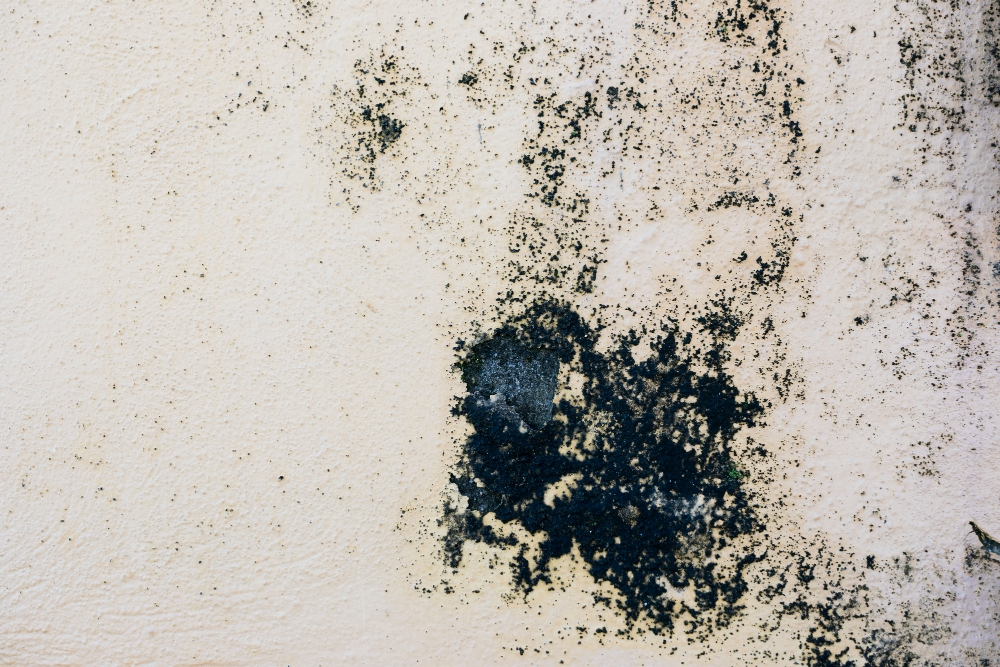
DÓNDE TRABAJAMOS
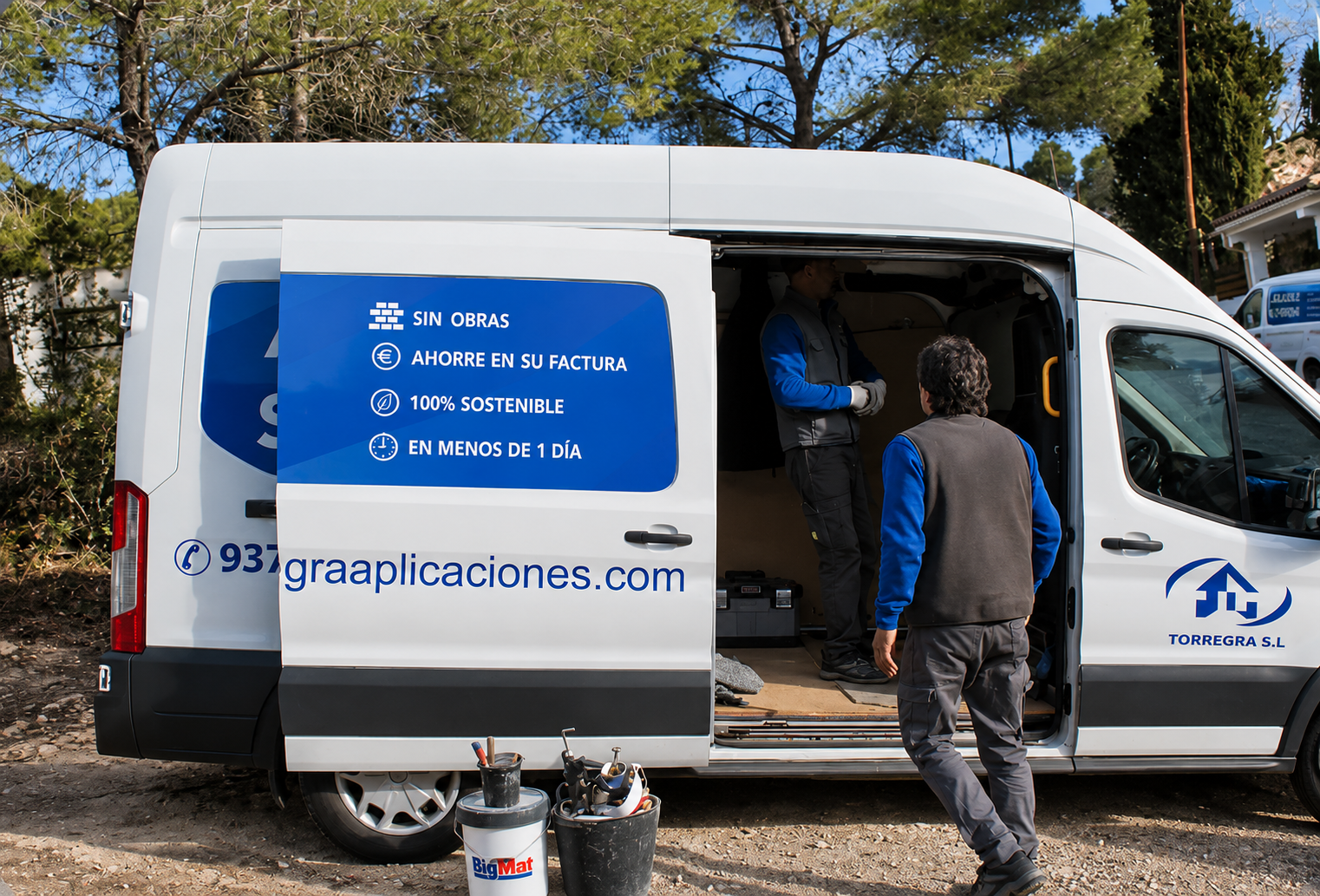
Torregra Aplicaciones is based in Viladecans (Barcelona) and carries out thermal insulation work on walls and facades in homes and buildings throughout Catalonia.
Contacta con nosotros
We inspect the air chamber to check if it is suitable for blown-in insulation and determine which solution best suits your home.